EN
EN

News
The Versatility of Quick Couplers in Modern Construction Machinery
The Role of Quick Couplers in Modern Construction Machinery
Quick couplers play a major role in today's construction equipment, making it possible to attach and detach different tools and attachments rapidly. They cut down on how long machines sit idle, which boosts productivity at worksites where every minute counts. When workers need to swap out tools, these couplers make the process much smoother. Operators can move from one task to another almost instantly instead of wasting precious time waiting for manual connections or disconnections.
Quick couplers really boost operational efficiency, which means better workflow and higher productivity across construction sites. When equipment sits idle, money gets lost fast. That's why being able to switch tools quickly without manual changes matters so much at job sites where projects need to move along rapidly. Construction crews know this well because every minute counts when there are deadlines looming. Quick couplers let operators keep going without stopping to swap out attachments, maintaining that crucial momentum needed to finish jobs on time despite all the unexpected delays that seem to pop up daily on any given construction site.
Quick coupler tech has come a long way lately, especially with those automatic coupling systems that cut down on all the manual work required before. What's really interesting is how these improvements actually make things faster while keeping workers safer at the same time. When changing attachments, there's just less chance for mistakes because machines do most of the heavy lifting now. Safety around equipment sites has definitely improved since operators aren't fumbling with connections anymore. We're seeing this trend play out across construction sites everywhere, where hydraulic quick couplers are becoming standard equipment rather than special additions. Contractors report fewer accidents and downtime when they upgrade to these smarter systems.
Benefits of Quick Couplers in Construction Machinery
Increased Productivity and Reduced Downtime
Construction machines get way more productive when equipped with quick couplers because they cut down so much time on connecting and disconnecting tools. Operators can finish their work faster and actually get around to doing those other things they need to handle during the day. According to some numbers floating around the industry, companies report around 30% less downtime just from using these couplers, which really adds up over time for big projects. The fact that attachments switch out so quickly means machines keep running instead of sitting idle waiting for adjustments. This makes a huge difference in how smoothly operations run day to day. Most contractors who've made the switch notice their crews spend less time fiddling with connections and more time actually getting work done across multiple job sites.
Enhanced Safety for Operators
Quick couplers give operators a real safety boost since they allow connecting and disconnecting attachments without getting too close to heavy machinery, which cuts down accident risks. These days most quick couplers come with built-in safety features such as mechanical locks and warning signals that add extra protection while working. According to recent field data from several construction firms, work sites using these devices have seen injury numbers drop by around 40% compared to traditional methods. What makes them so effective? They reduce the need for hands-on adjustments and keep connections tight and secure throughout operations. For anyone spending time on active construction zones, this kind of equipment isn't just convenient it's becoming essential for protecting workers day after day.
Versatility Across Different Attachments
Quick couplers give operators the freedom to swap out attachments such as buckets, forks or hammers without having to stop work entirely. This means one piece of equipment can handle all sorts of jobs around the construction site. When crews don't need separate machines for each task, it cuts down significantly on both what they spend on gear and how much room everything takes up at the worksite. Most modern quick couplers work well with various types of excavators and other heavy machinery too. Construction companies find these systems incredibly useful because workers can change tools in seconds rather than waiting for another machine to arrive. Time saved translates directly into money saved while keeping operations running smoothly through whatever challenges come their way during a project.
Types of Quick Couplers and Their Applications
Manual vs. Semi-Automatic vs. Fully Automatic Couplers
Quick couplers come in three main varieties, each designed for specific situations and wallet sizes. The manual type needs workers to physically attach and detach components themselves, which takes extra time on site. But these models tend to cost less upfront, so many smaller operations go this route when money is tight. Then there's semi-automatic versions that sit somewhere in between cost and convenience. They handle part of the connection automatically but still need some hands-on work from technicians, giving about 15-20% better speed compared to purely manual systems according to field reports. At the top end we find fully automatic couplers that have become pretty common lately. These advanced units let attachments snap in and out almost instantly without much human involvement at all. Contractors report around 40% faster turnaround times on average, plus fewer accidents happen because workers don't need to get so close to moving machinery during connections.
Hydraulic Quick Couplers: A Game Changer
The introduction of hydraulic quick couplers has completely changed how attachments get connected in construction and similar fields, thanks to their use of hydraulic power during operation. These devices cut down dramatically on time needed to hook up and remove attachments, so workers don't have to climb out of their machines anymore. For big projects where keeping things moving smoothly matters a lot, this saves precious minutes throughout the day. With better hydraulics built right in, these couplers can handle much stronger forces while staying reliable over time, which explains why they're so popular for tough jobs like digging through hard ground or tearing down old buildings. Construction crews across the country now rely heavily on these innovations to meet tight deadlines and keep productivity levels high at job sites.
Quick Couplers: Product Spotlight
Quick-coupler: Features and Specifications
In construction settings, quick couplers really make a difference because of their solid build quality and practical design for everyday use on worksites. These devices come equipped with locking systems that keep attachments firmly in place while machines are running, something that cuts down on accident risks when operators are handling heavy machinery. Built from tough materials that can take a beating, these couplers last much longer than cheaper alternatives, meaning less downtime replacing worn parts or dealing with equipment failures. What makes them so valuable? They deliver strong power transfer capabilities that boost overall productivity without compromising safety standards, even when tackling the toughest jobs day after day.
Quick coupler specs keep getting tweaked as manufacturers roll out new features to match what construction workers actually need on site. Take the double lock system for example it keeps attachments secure even when hydraulics fail, which happens more often than anyone wants to admit. Most modern designs make maintenance a breeze too, with parts that snap together instead of needing special tools. This means less time waiting for repairs and more productive hours on the job. The improvements aren't just making these devices better at their core function they're opening up possibilities for different applications throughout the industry, from heavy earthmoving to delicate precision work where reliability matters most.
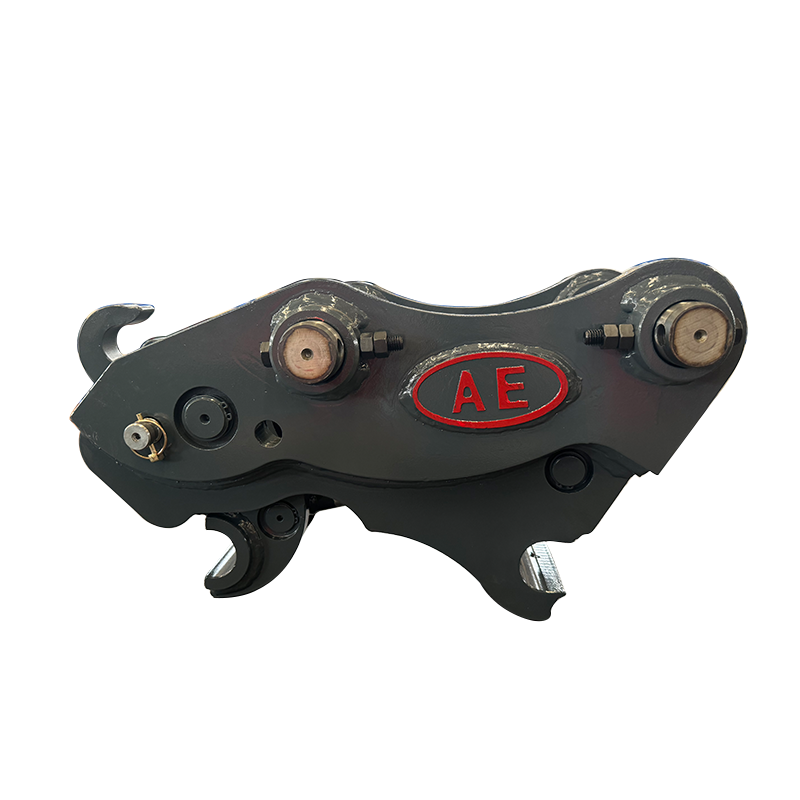
Why Choose Quick-coupler for Your Excavator
Quick couplers make a big difference in how efficiently excavators work around job sites. When switching attachments takes minutes instead of half an hour, operators spend less time wrestling with bolts and more time actually getting work done. The savings stack up fast across multiple shifts. Equipment stays productive throughout longer stretches of the day rather than sitting idle while crews change tools. Contractors who've made the switch often mention how much smoother their operations run once they eliminate those frustrating downtime periods between tasks.
When construction companies invest in quality quick couplers designed specifically for their excavators, they tend to see much better results over time. These well-engineered attachments are built tough, so they don't break down as easily during daily operations. Most field workers report that proper quick couplers actually last longer between repairs, which means less downtime and money spent fixing things. Contractors who switched to specialized couplers often mention smoother workflow on job sites and completed projects ahead of schedule. For businesses trying to cut costs while maintaining productivity, the financial benefits really stack up. That's why many forward thinking contractors now consider good quality quick couplers essential rather than optional upgrades for their heavy machinery fleet.
Maintenance and Safety Tips for Quick Couplers
Regular Maintenance Practices
Keeping up with routine maintenance makes all the difference when it comes to keeping quick couplers working properly and staying safe. Start by doing regular checks so we catch any signs of wear before they turn into bigger problems down the road. Pay special attention to those pins, lock mechanisms, and where things actually attach since these spots tend to break down first. Don't forget to lube up all those moving pieces regularly too. Without proper lubrication, components get stiff and perform poorly over time. Regular oiling not only keeps everything running smoothly but also adds years to the life of our couplers. And remember, following what the manufacturer suggests for maintenance intervals ensures nothing gets missed between checkups, which ultimately saves money and downtime in the long run.
Safety Measures to Prevent Accidents
When working with quick couplers, safety has to come first. Following basic safety rules really helps prevent accidents from happening. Workers need to wear proper gear like gloves and eye protection while handling these devices. Getting regular training matters too because it keeps people updated on how to attach and detach them safely without any mistakes. Communication between team members is just as important during actual operations. When everyone knows what's going on at all times, there's less chance of something going wrong, which makes the whole worksite much safer for everybody involved.